
+91 95590 00981
tradersarjit@gmail.com
Fabrication Units
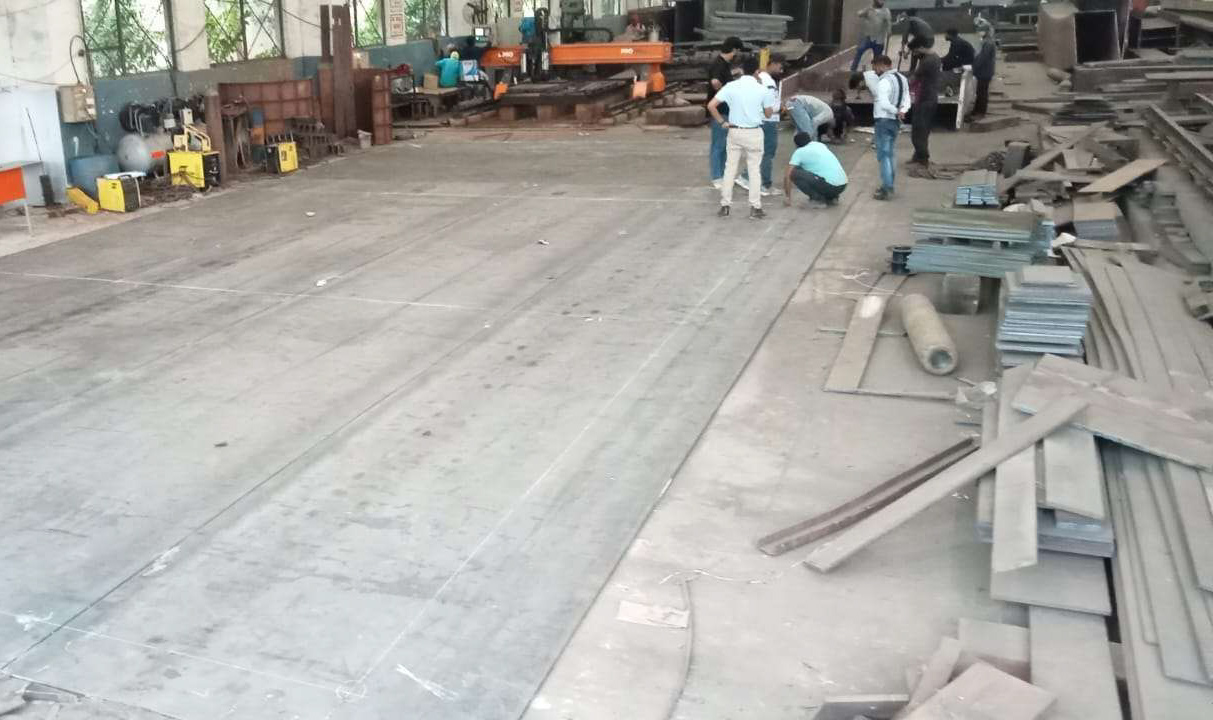
Template layout area- 1500 Sq. Mtr.
Facilities including details of Machinery & Plants as applicable
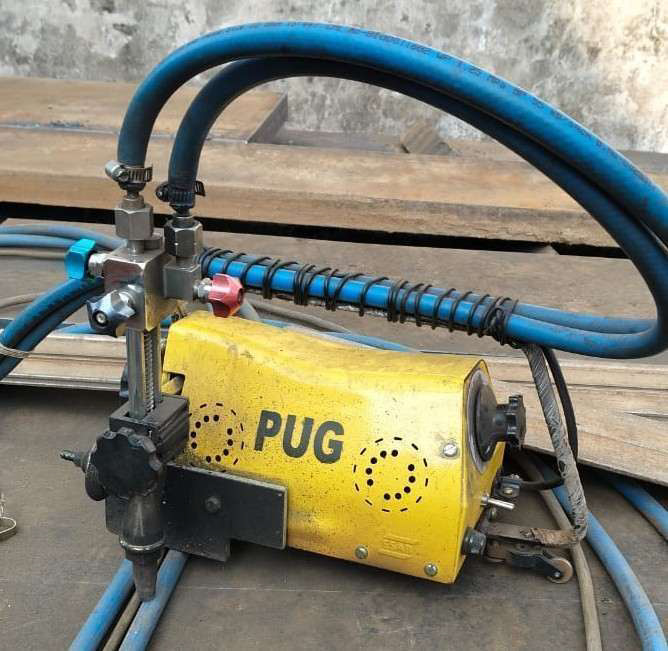
Pug Cutting Machine
Used for flame cutting of MS plates and structural steel. The pug cutting machine ensures accurate straight-line and profile cutting of plates required for bridge girders, gusset plates, stiffeners, and other fabricated components. It improves cutting efficiency while maintaining dimensional accuracy.
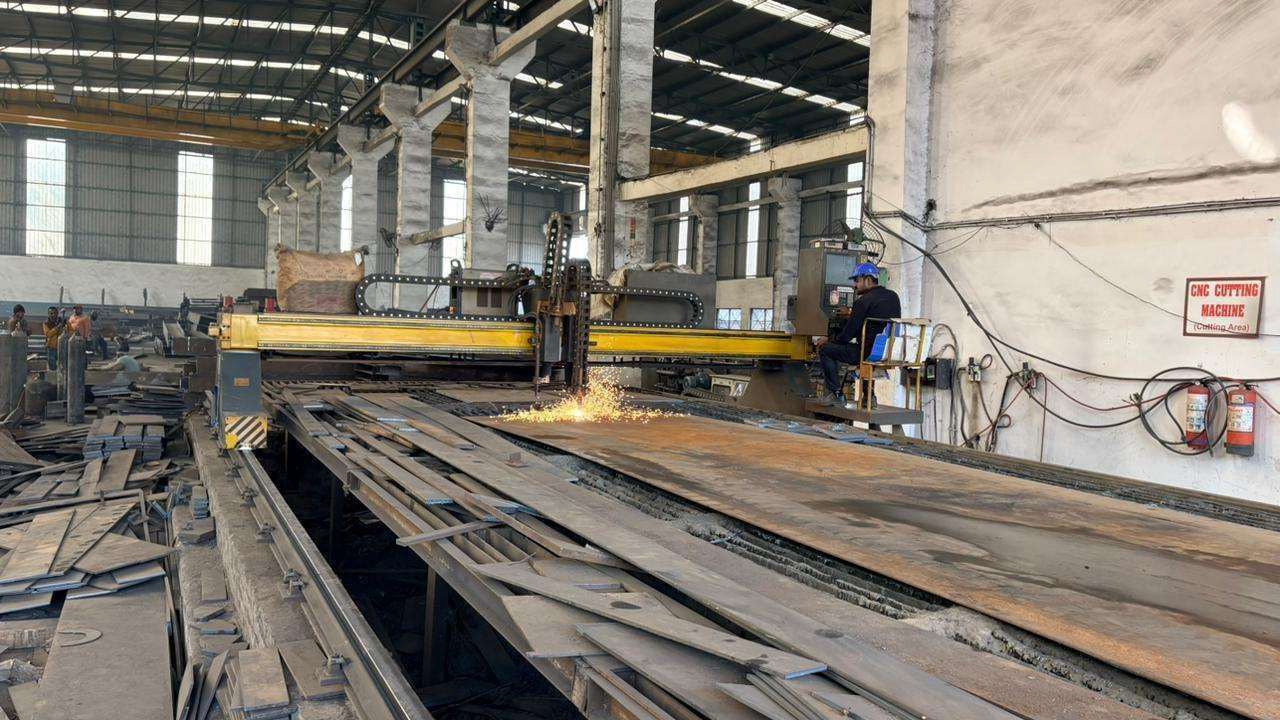
CNC Cutting Machine.
The CNC cutting machine is utilized for high-precision cutting of MS plates with complex profiles. It ensures uniformity, unit) (Brief description and Photographs) repeatability, and reduced material wastage. This machine is ideal for producing intricate components used in bridge fabrication as per approved drawings.
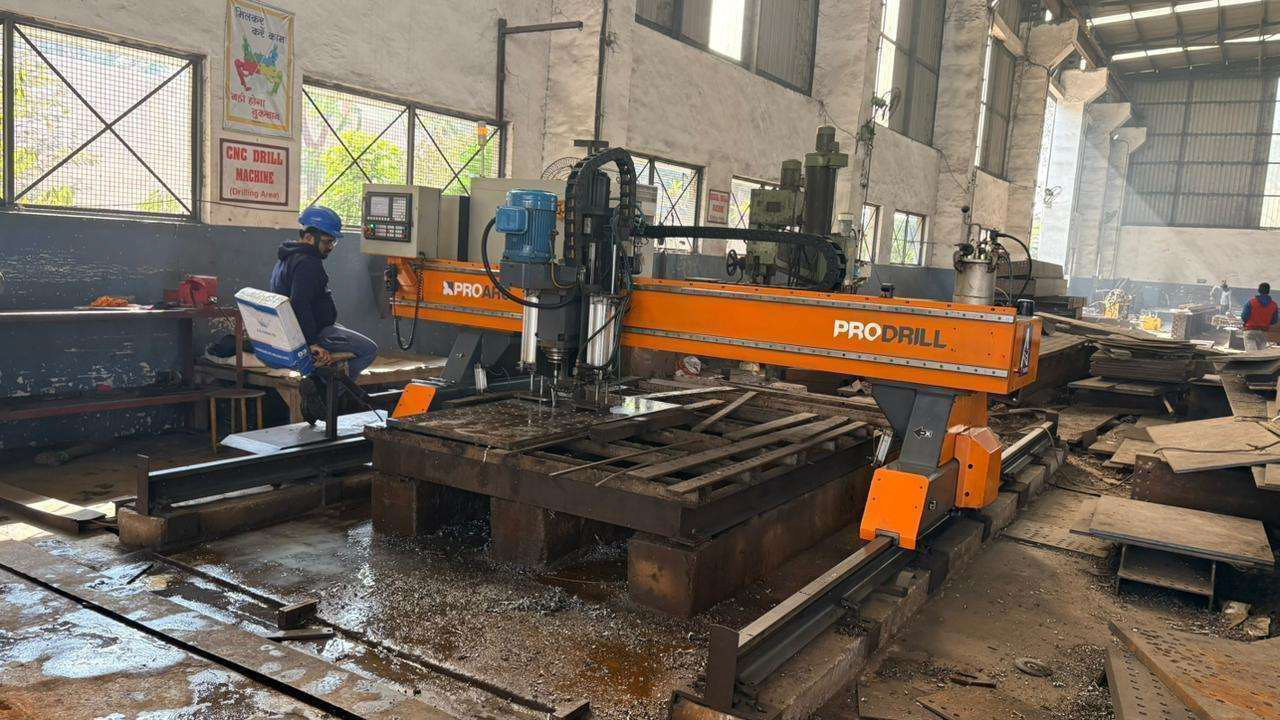
CNC Drilling Machine
Used for precise drilling of bolt holes in plates, angles, channels, and girders. CNC drilling ensures exact hole alignment, spacing, and tolerance, which is critical for proper fit-up during site erection.
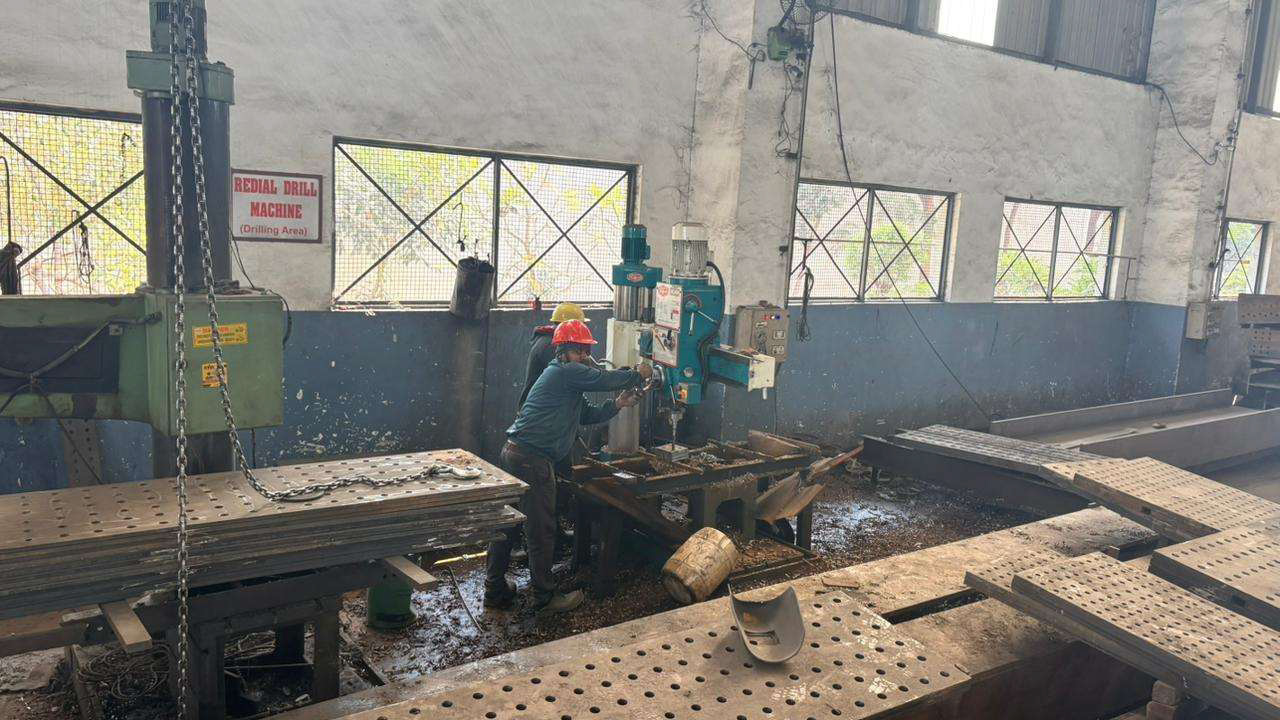
Radial Drilling Machine- 06 Nos.
The CNC cutting machine is utilized for high-precision cutting of MS plates with complex profiles. It ensures uniformity, unit) (Brief description and Photographs) repeatability, and reduced material wastage. This machine is ideal for producing intricate components used in bridge fabrication as per approved drawings.
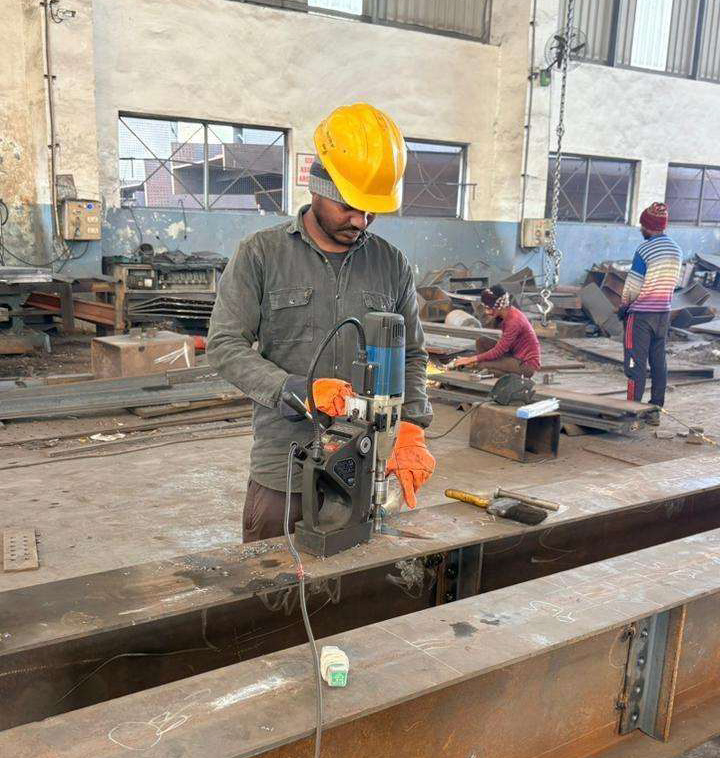
Magnetic Core Cutting Machine- 25 Nos
Used for efficient hole cutting in structural steel members. This machine provides smooth and accurate hole finishing and is especially useful for on-site or shop drilling where conventional drilling is difficult.
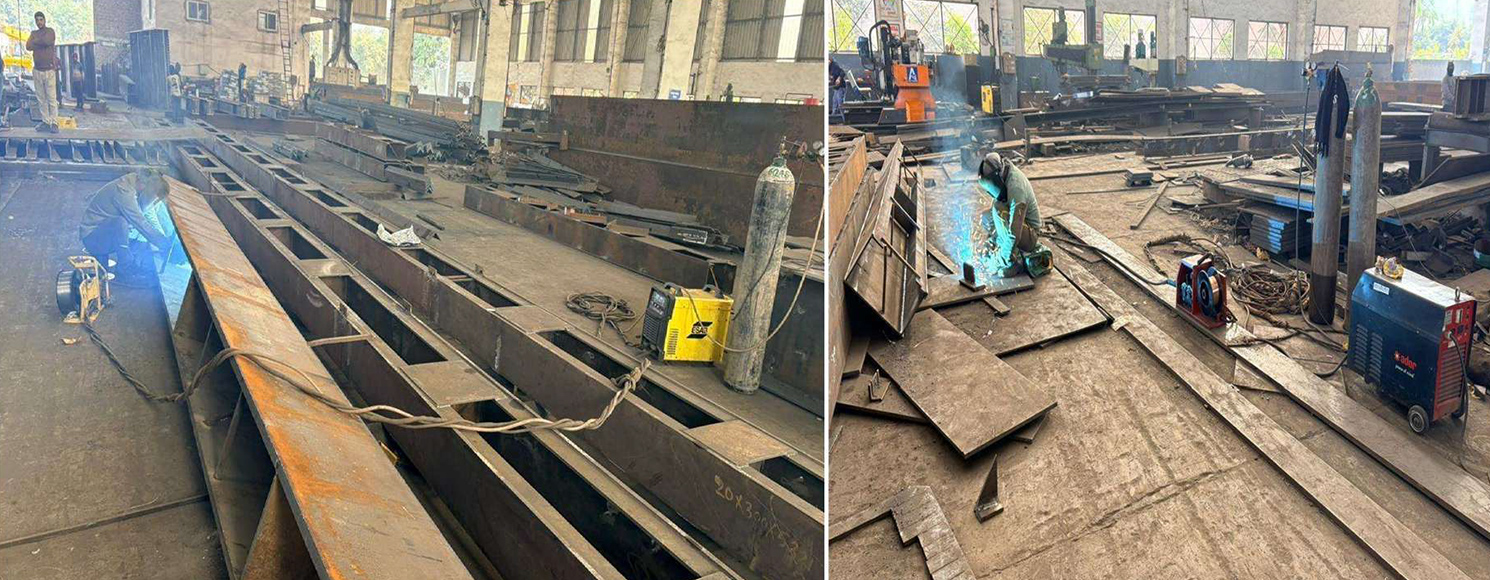
MIG Welding Machines- 70 Nos
Metal Inert Gas (MIG) welding machines are used for high-quality welding of structural steel components. MIG welding ensures strong weld joints, better penetration, and higher productivity, making it suitable for bridge fabrication works.
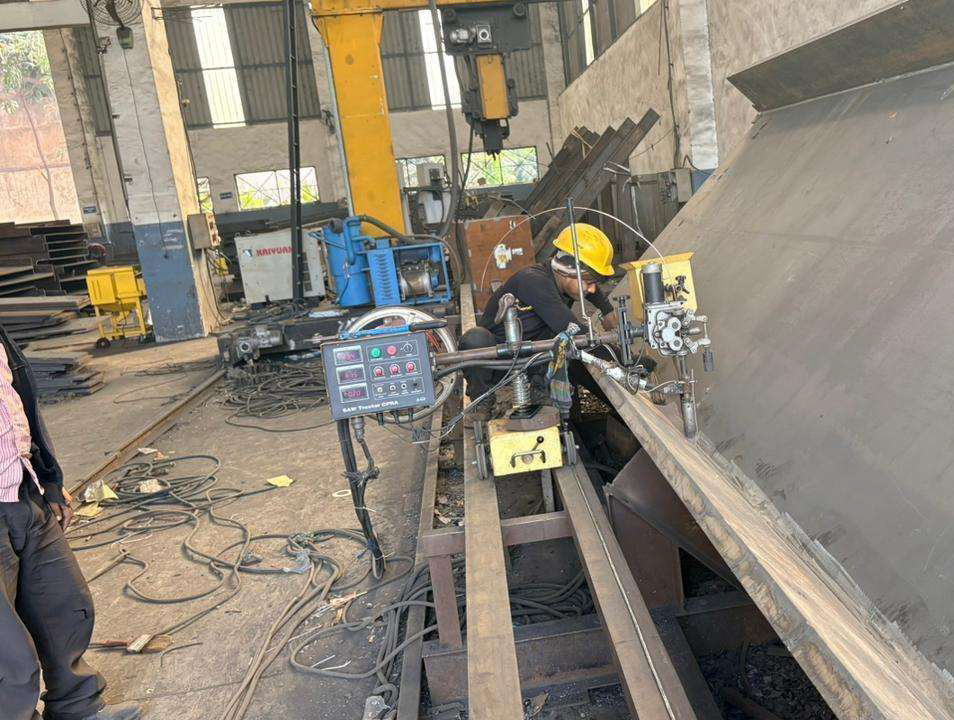
SAW Welding Machines (Submerged Arc Welding)- 06 Nos
SAW welding machines are used for heavy structural welds, particularly in girders and long seam welding. This process provides deep penetration, uniform weld quality, and high deposition rates, ensuring strength and durability of welded joints
Straightening Machine
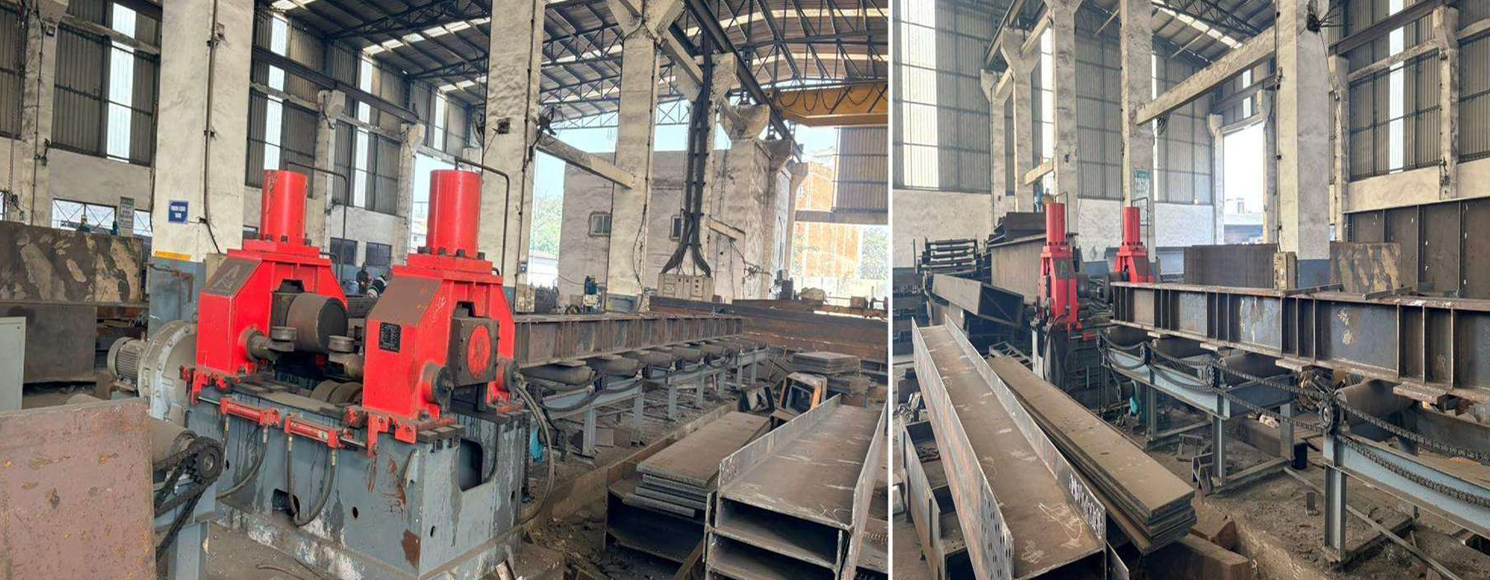
Used for straightening distorted plates and structural members after cutting or welding operations. This machine ensures components meet dimensional and alignment tolerances before further processing or assembly.
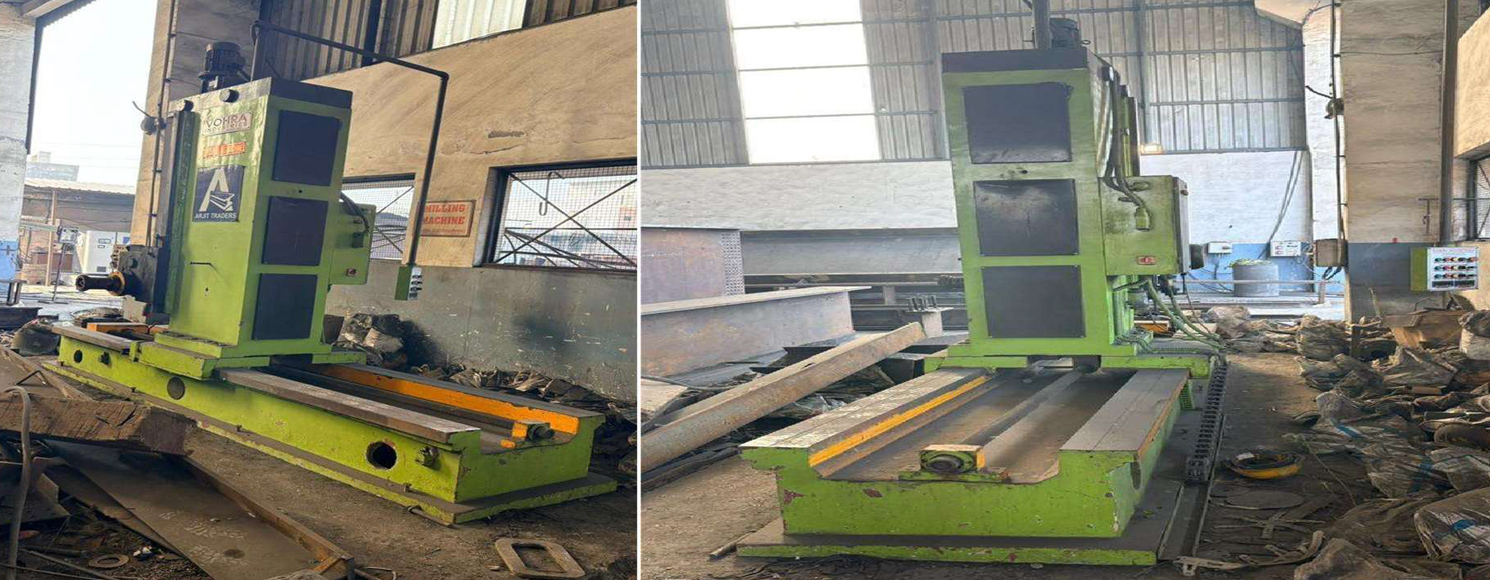
End Milling Machine.
End milling machines are used to achieve precise end finishes of girders, beams, and columns. This ensures proper mating surfaces during assembly and erection of steel bridge components.
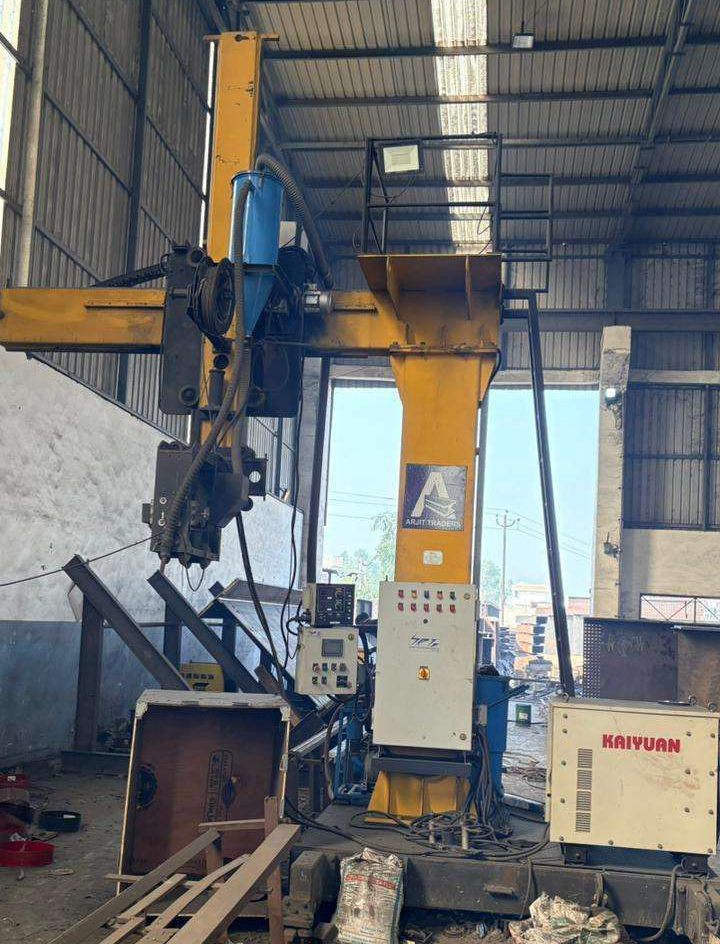
H-Beam Welding Machine
Specialized machine used for automatic welding of H-beams and built-up sections. It ensures consistent weld quality, accuracy, and strength for primary load-bearing members used in bridge Structure.
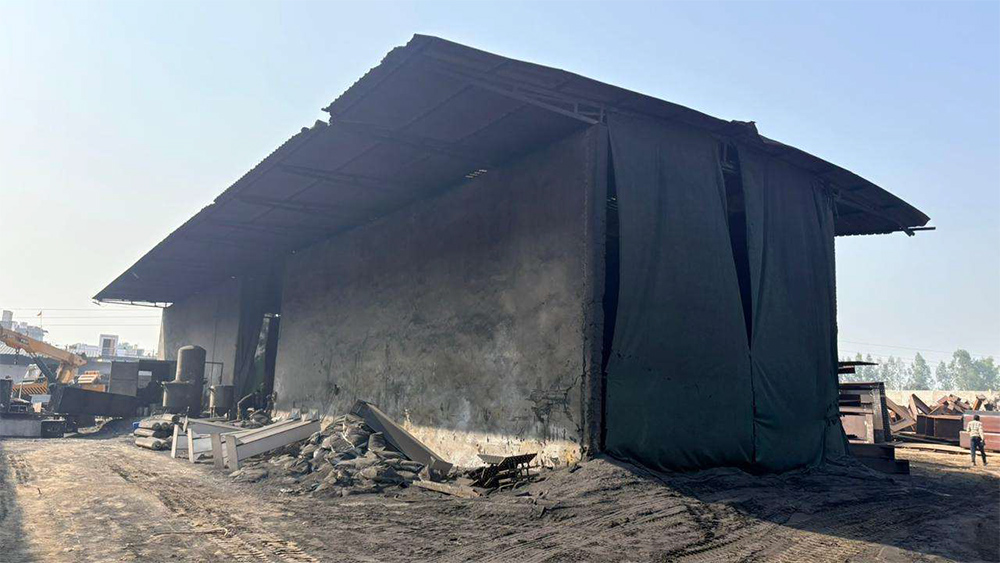
Blasting Shop
A dedicated blasting facility used for surface preparation of steel components. Grit/shot blasting removes rust, mill scale, oil, and contaminants to achieve the required surface cleanliness before metallizing or painting, ensuring proper coating adhesion.
Metallizing Shop
Equipped for thermal spray metallizing processes (such as zinc/aluminum coating) to protect steel surfaces from corrosion. Metallizing enhances durability and extends service life of steel bridge components, especially in aggressive environments.
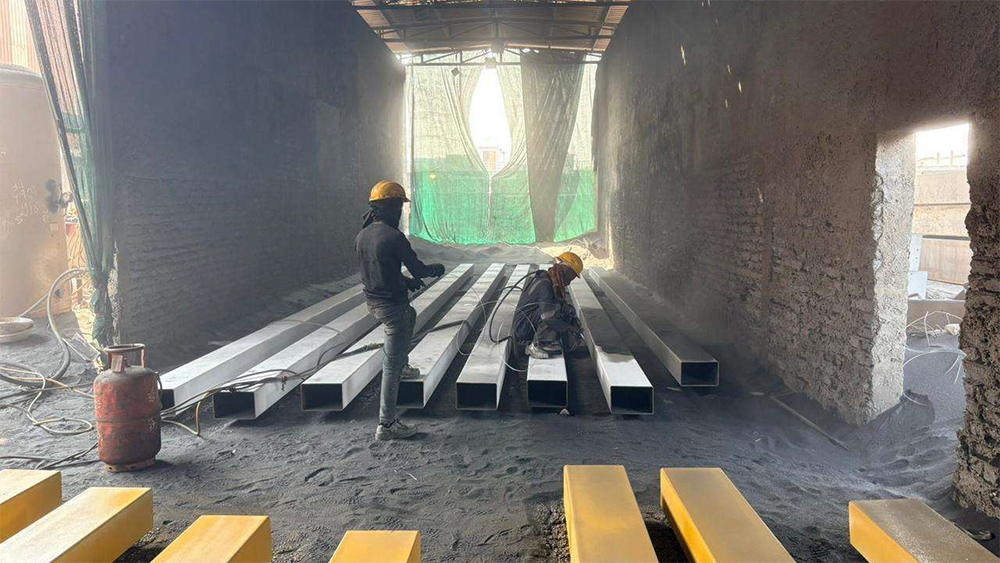
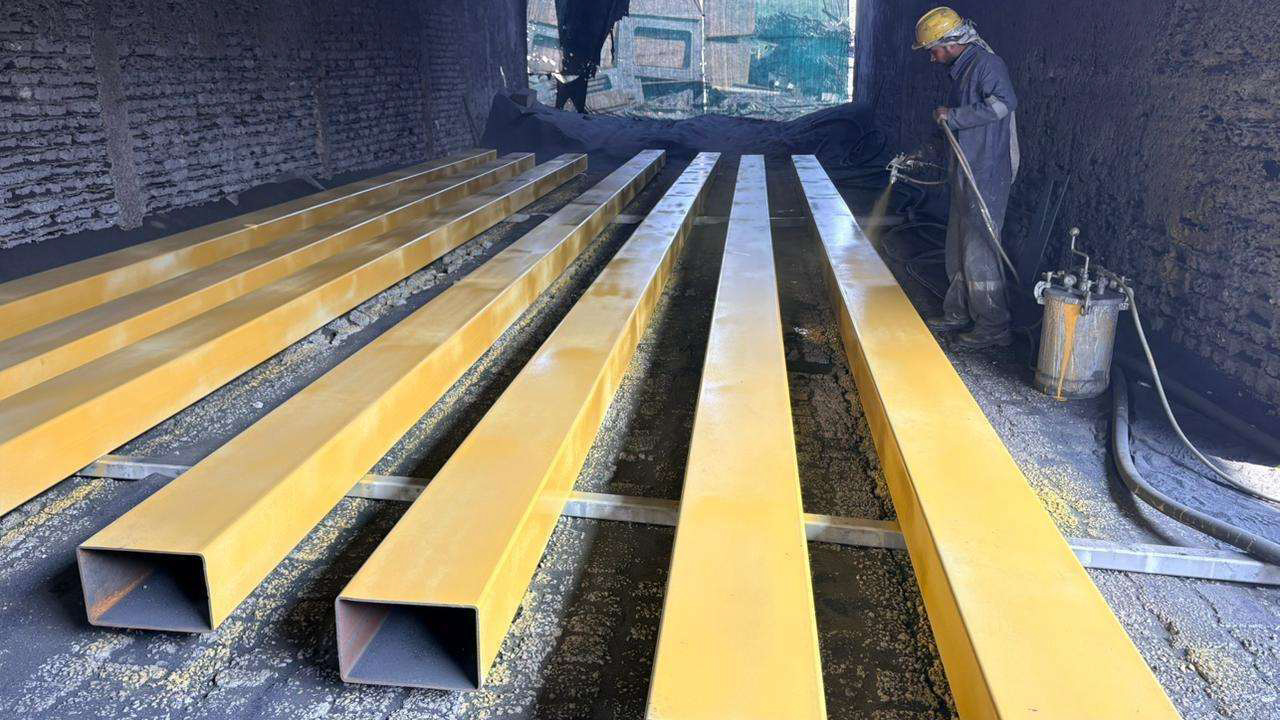
Painting Shop.
A controlled painting facility used for application of primer, intermediate, and finish coats as per project specifications. The shop ensures uniform coating thickness and high-quality surface finish.
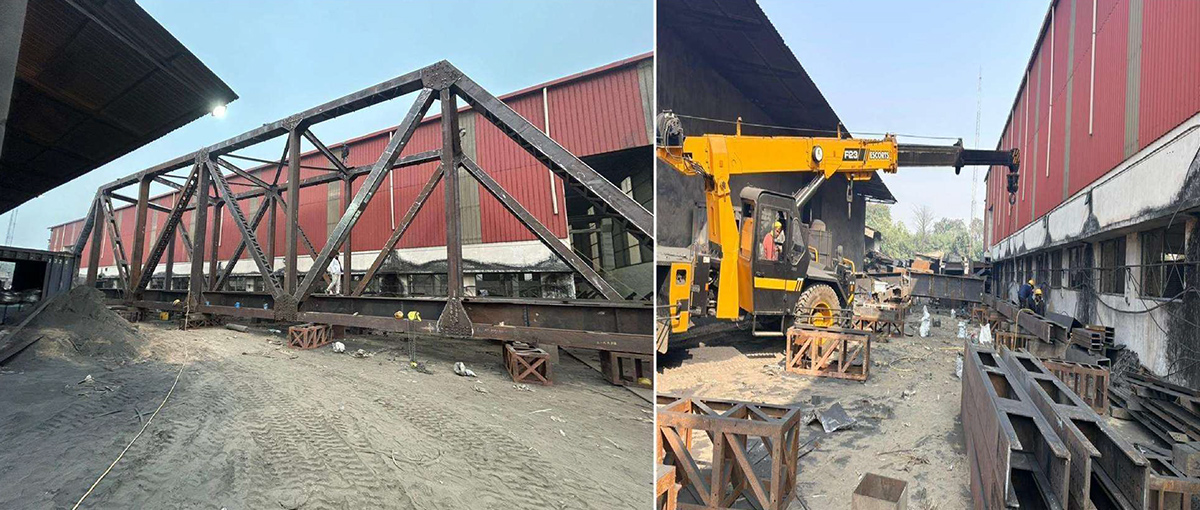
Assembly Area
A designated area for trial assembly and fit-up of fabricated components. This helps verify alignment, bolt hole matching, and overall geometry before dispatch to site, minimizing erection issues.
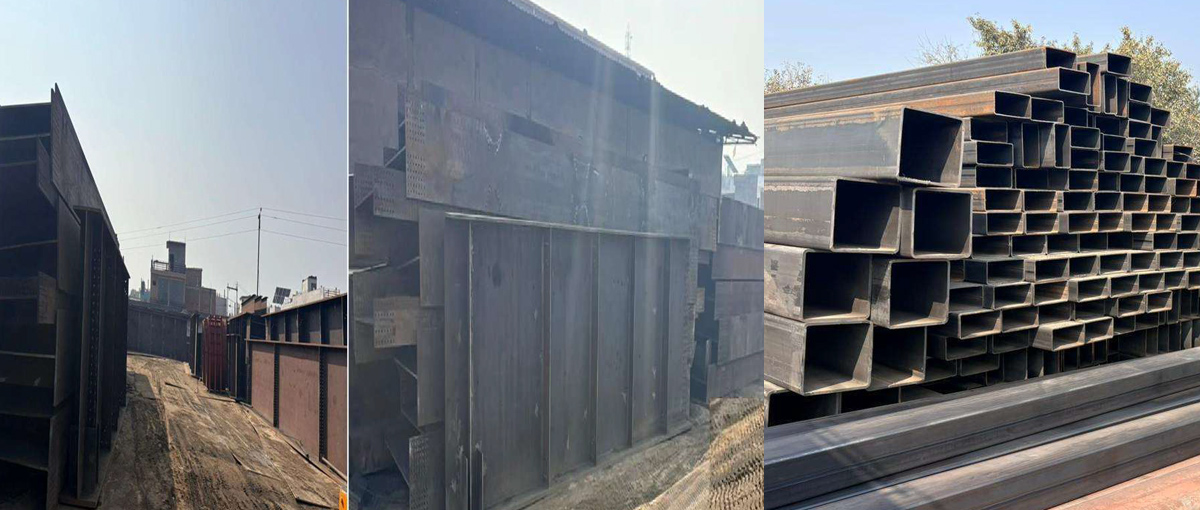
Stacking Area
A well-planned stacking and storage area for finished and semi-finished components. Materials are stored systematically to avoid damage, ensure traceability, and facilitate easy loading and transportation.
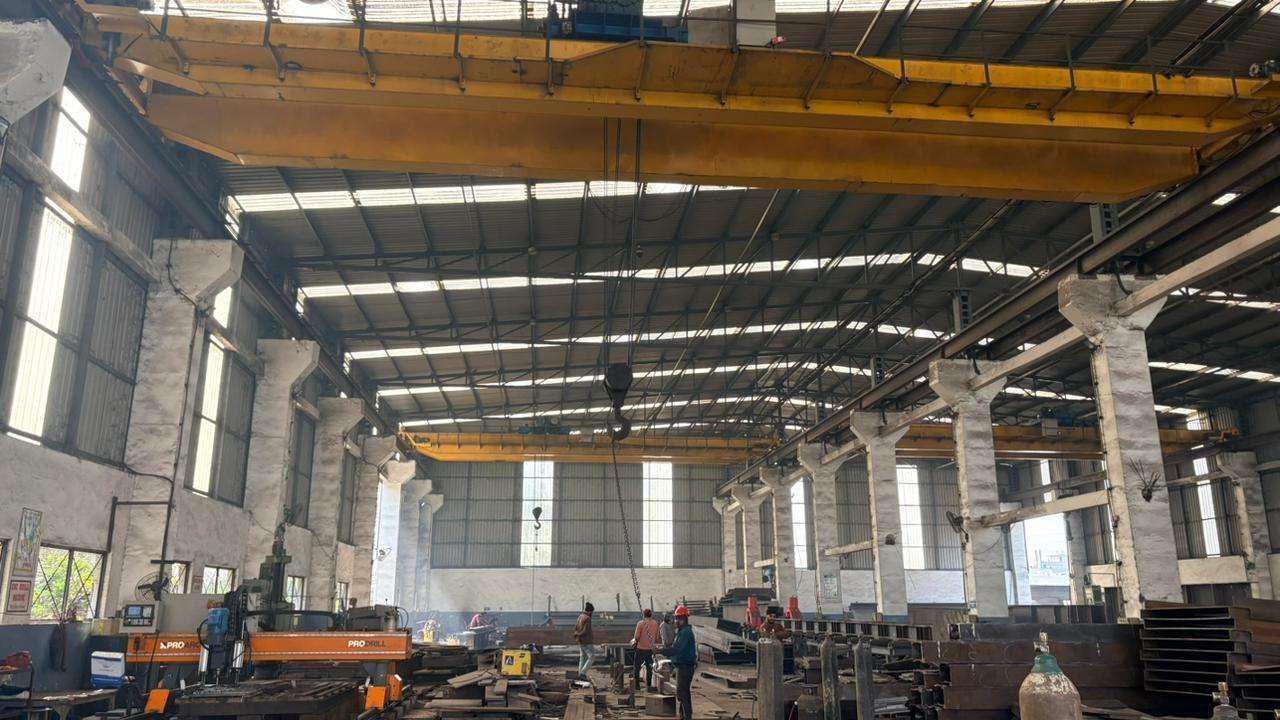
Overhead Lifting Cranes- 03 Nos
Overhead lifting cranes are installed in fabrication and assembly areas for safe and efficient handling of heavy plates, girders, and fabricated steel components. These cranes facilitate smooth movement of materials between cutting, welding, assembly, and stacking areas, reducing manual handling and improving productivity and workplace safety.
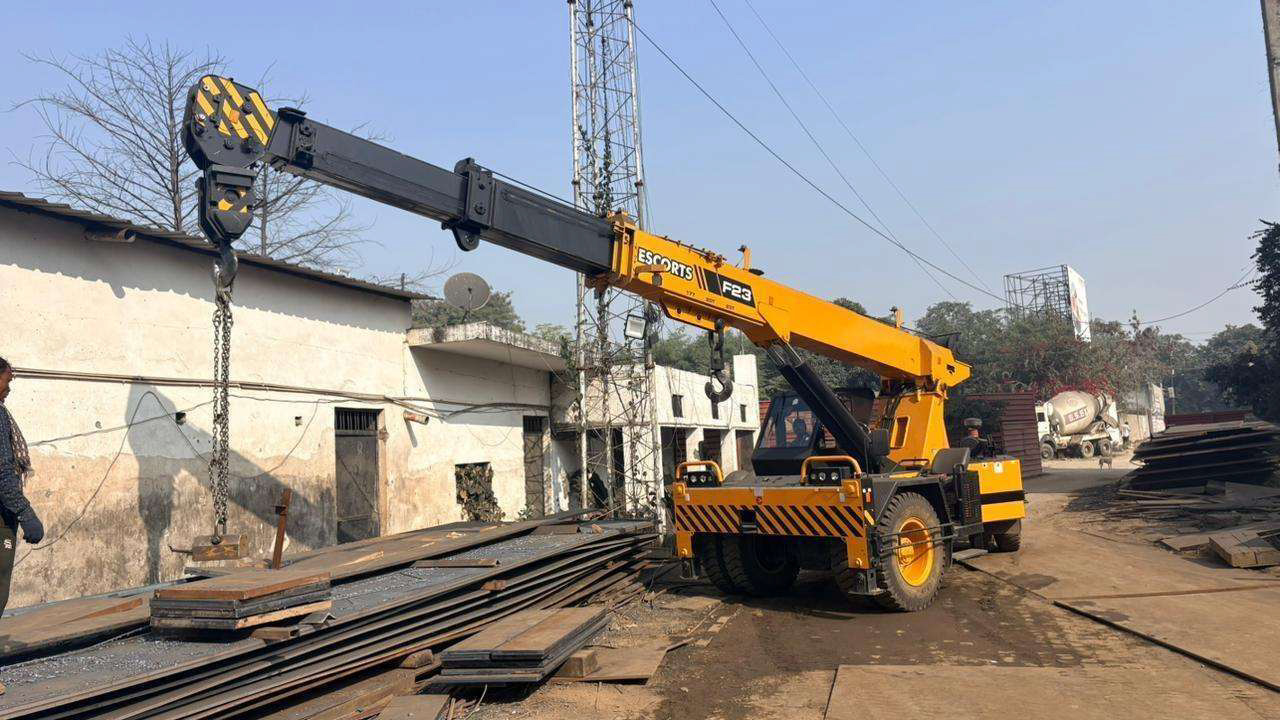
Farana- 08 Nos
The Farana crane is used for heavy lifting and material handling operations, especially for large and long structural members. It supports assembly, stacking, loading, and erection works, ensuring efficient handling of oversized components and improving overall operational efficiency.
Certified & Leading Company
Take a look in our products and contact us for best services